SINGAPORE'S BOTANICAL GARDENS
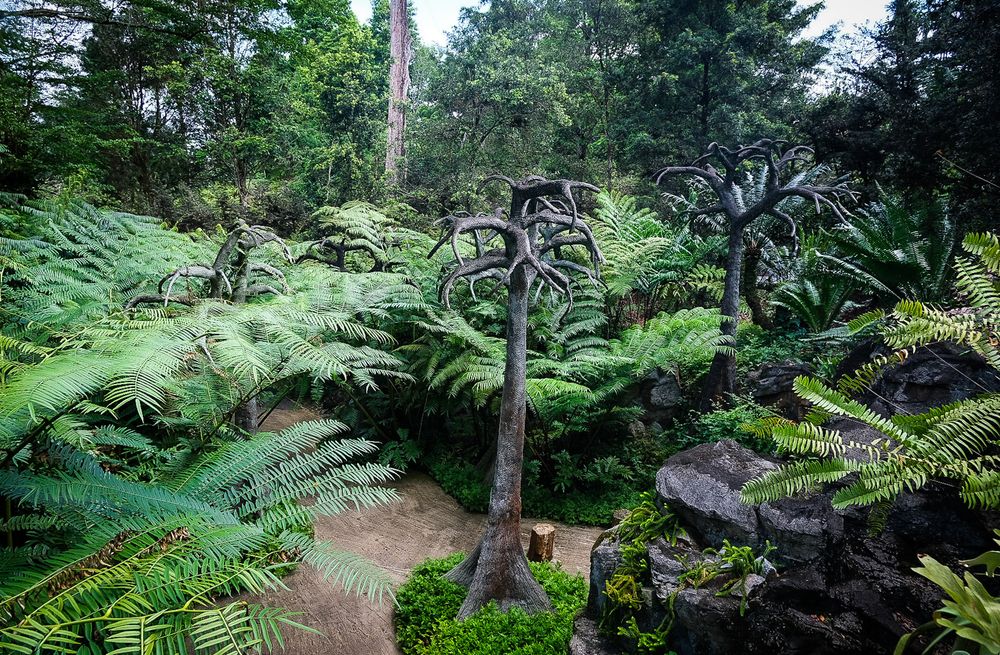
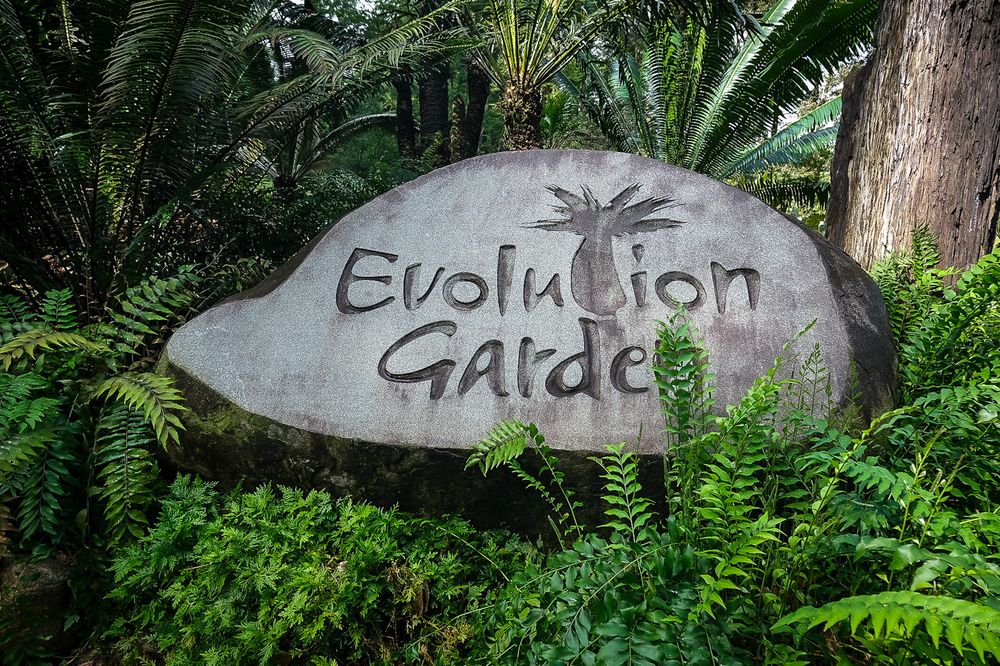
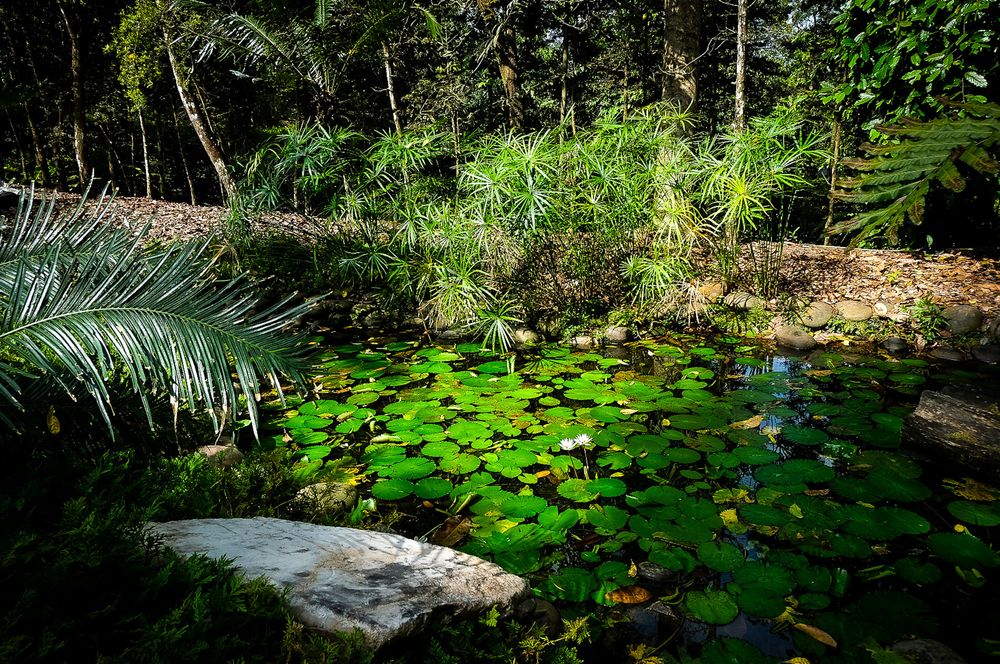
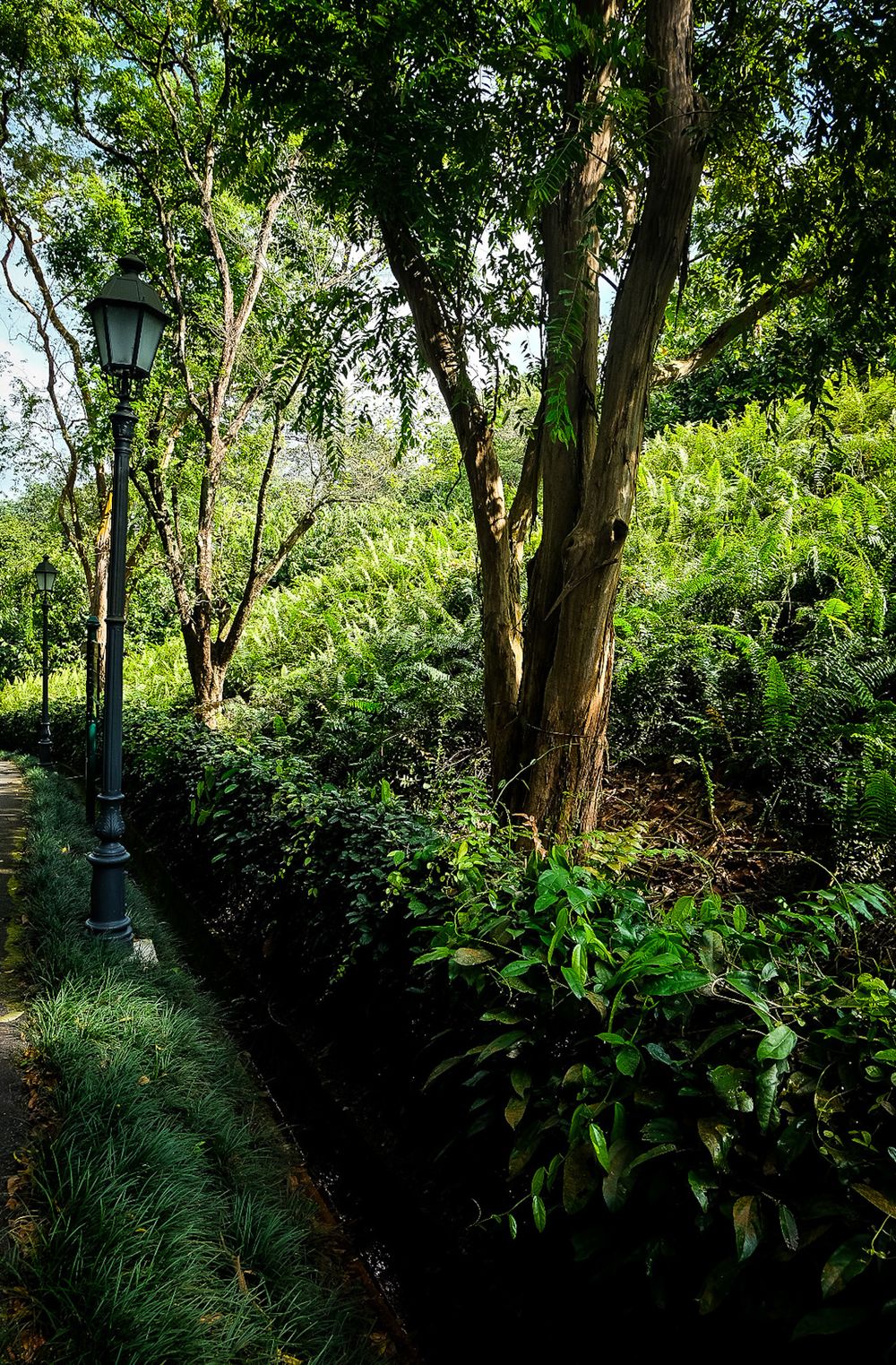
A Portal to the Past. Imagine stepping into a realm where time folds back millions of years, where the air hums with the whispers of primordial forests. Nestled within the UNESCO-listed Singapore Botanical Gardens, the Evolution Garden offers precisely this-a living tapestry of Earth's botanical history. Here, cycads and tree ferns stand as stoic sentinels of a bygone era, inviting visitors to wander through the epochs that shaped today's biodiversity.
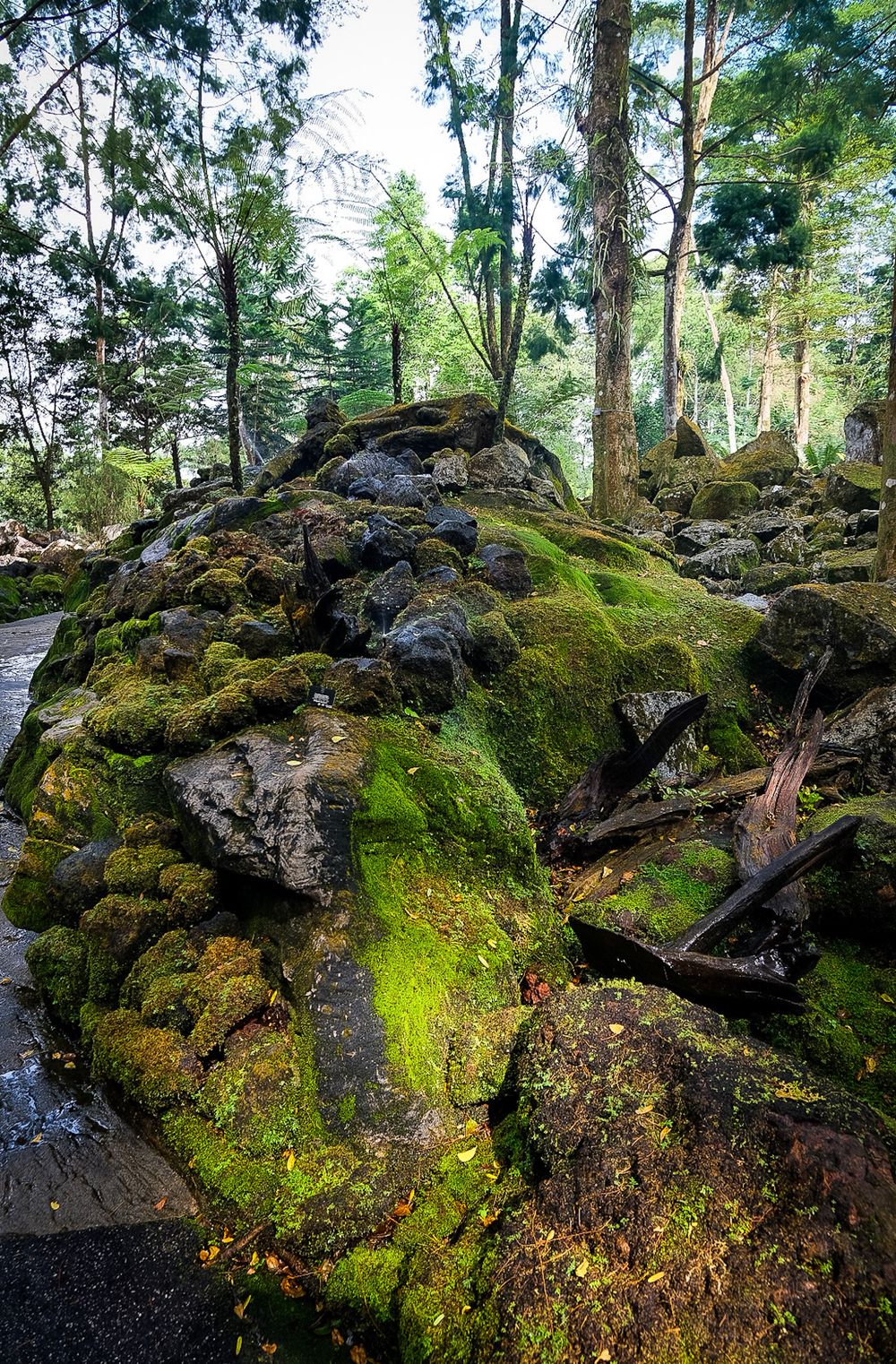
Unveiling the Evolution Garden. The Evolution Garden is a masterful chronicle of plant evolution, stretching from the volcanic landscapes of the Precambrian to the lush
greenery of the Cenozoic. Designed as an immersive timeline, the garden's winding paths guide visitors through geological eras, each marked by towering rockscapes
and educational installations. The centerpiece? Ancient plant groups like cycads and tree ferns, thriving under Singapore's tropical embrace, their forms unchanged since dinosaurs roamed.
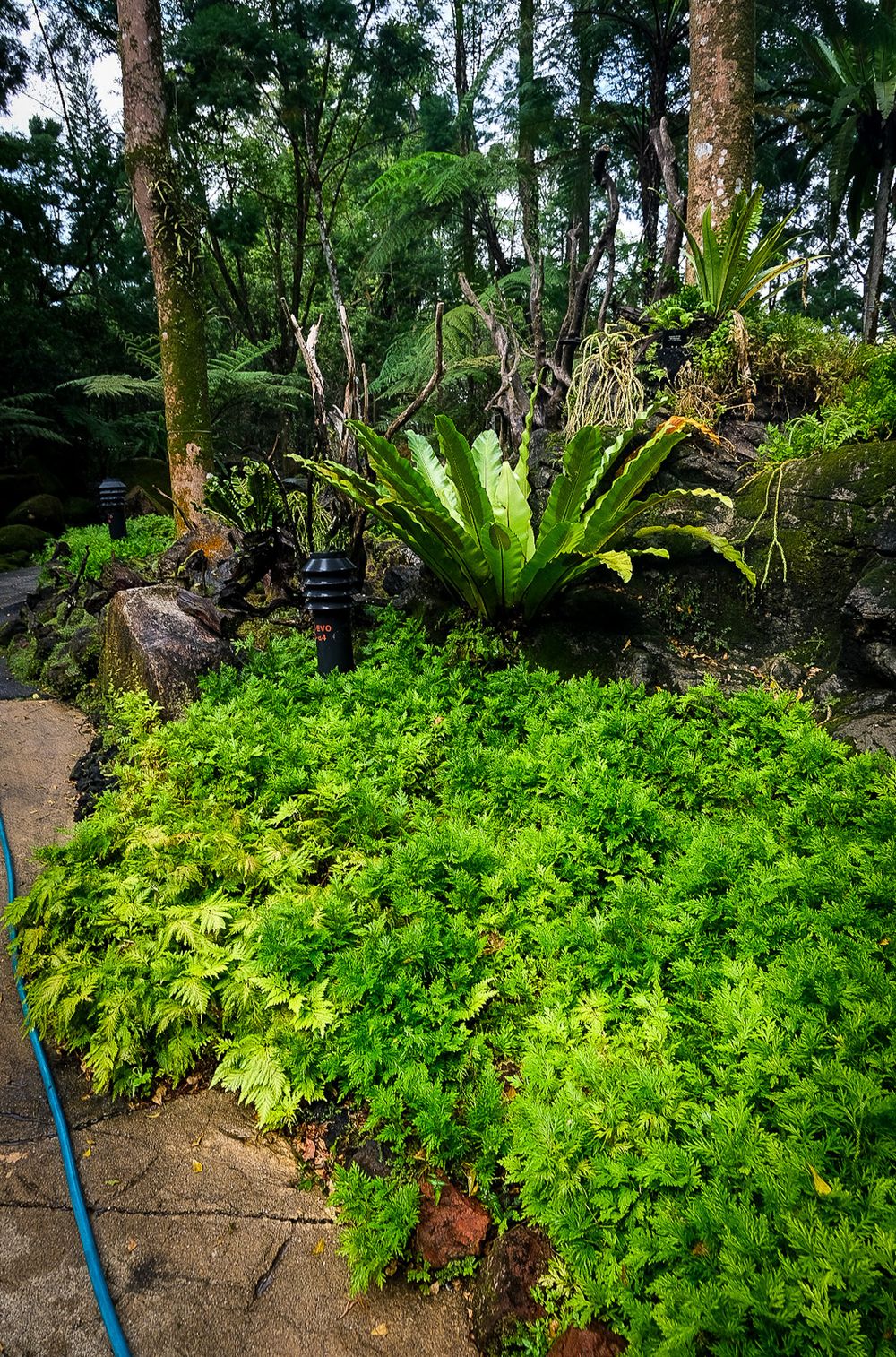
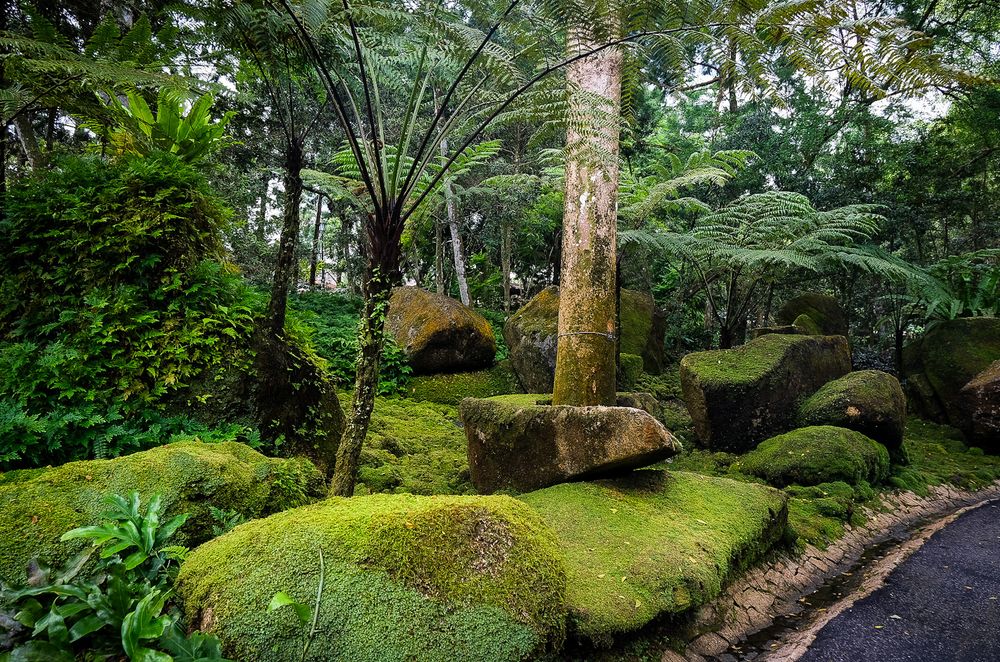
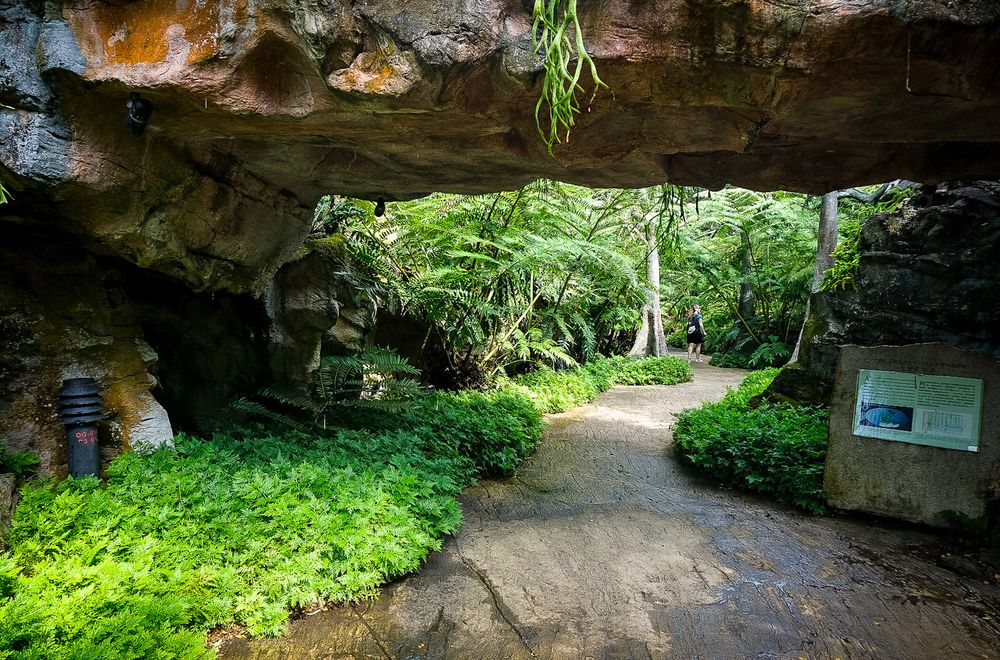
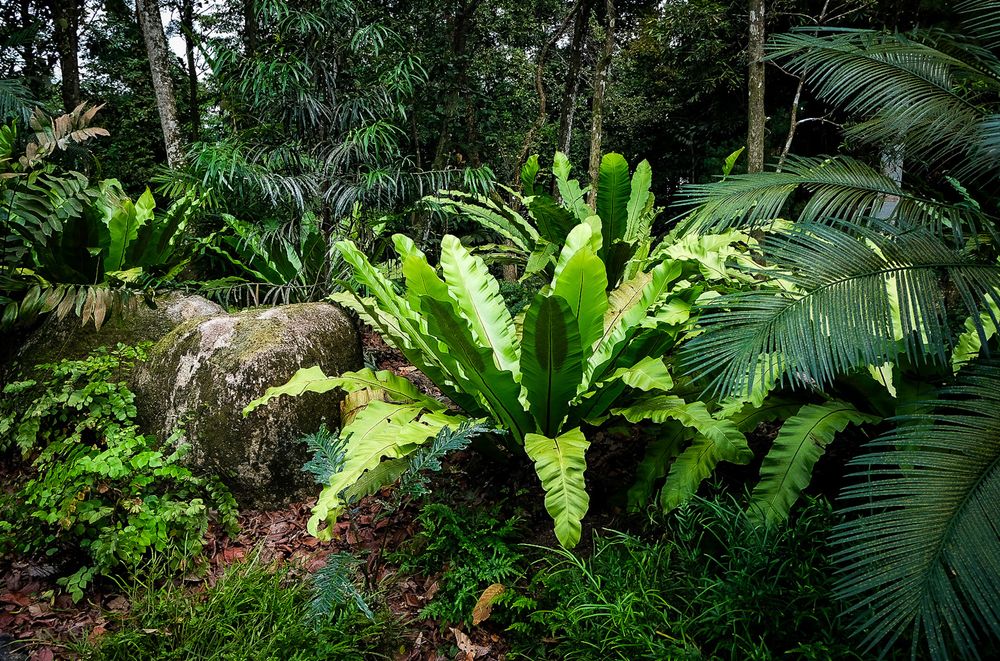
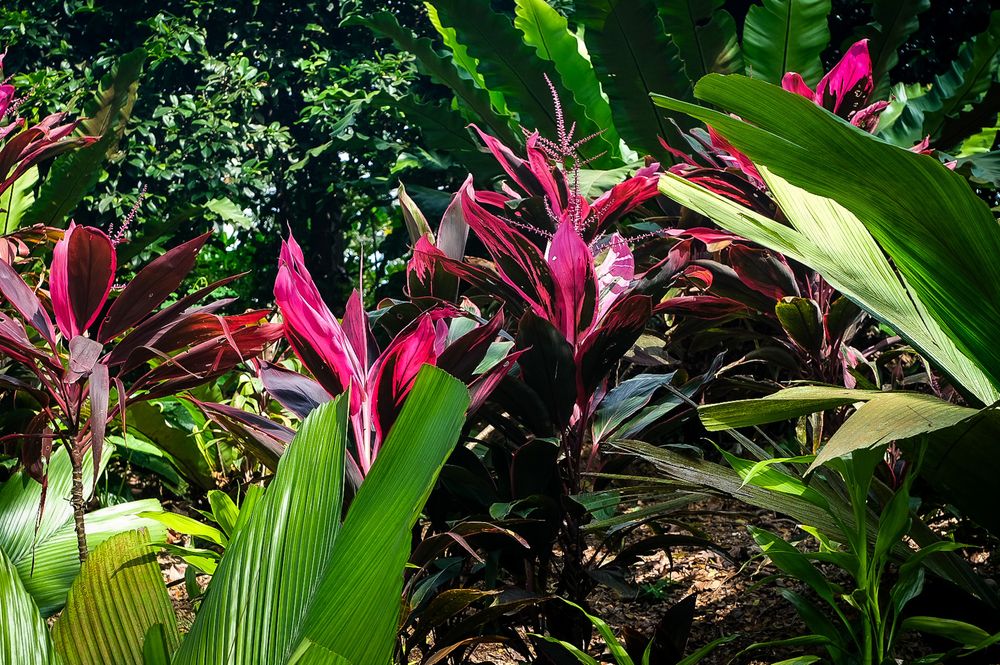
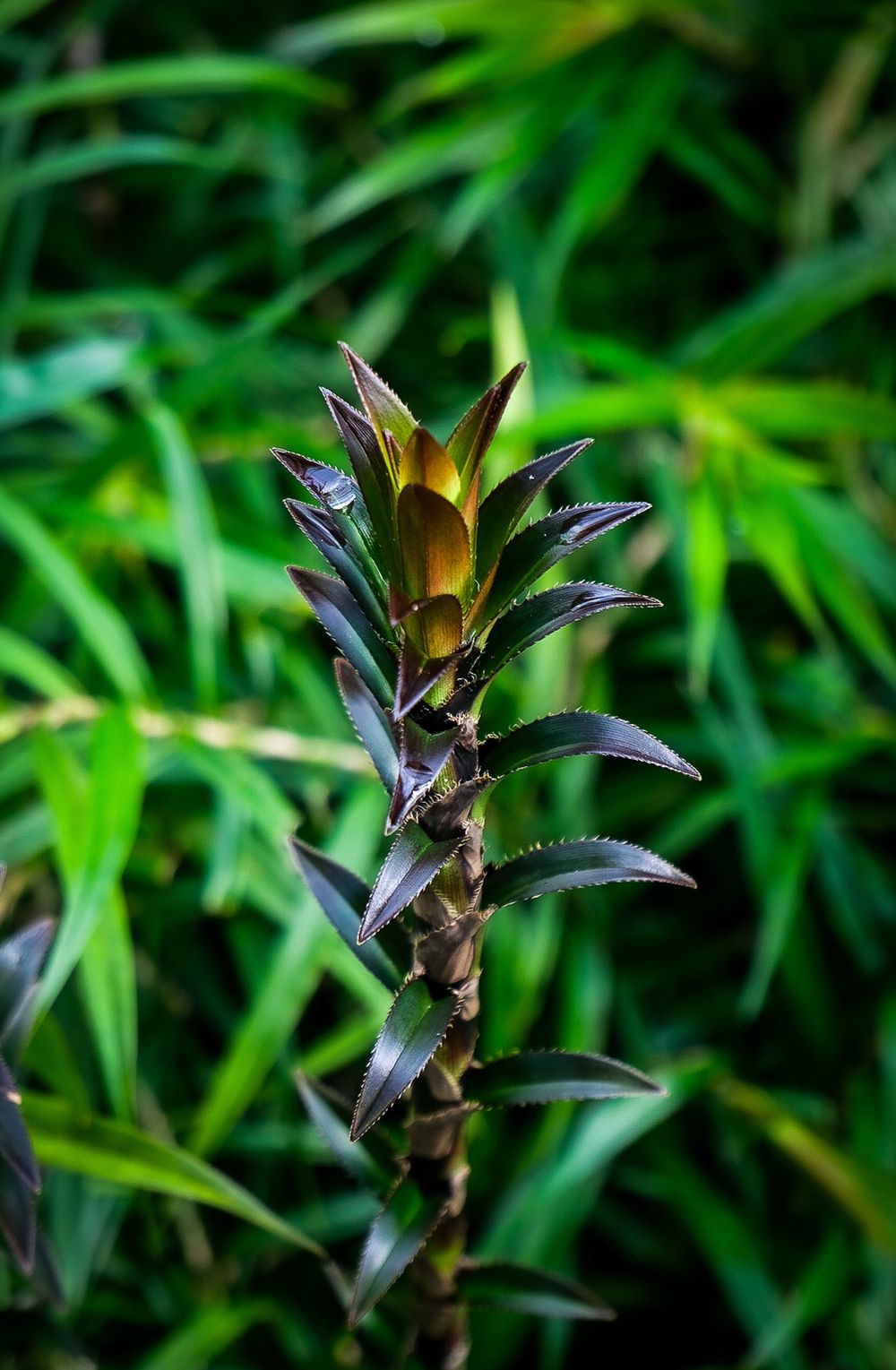
Cycads : Living Fossils of the Mesozoic.
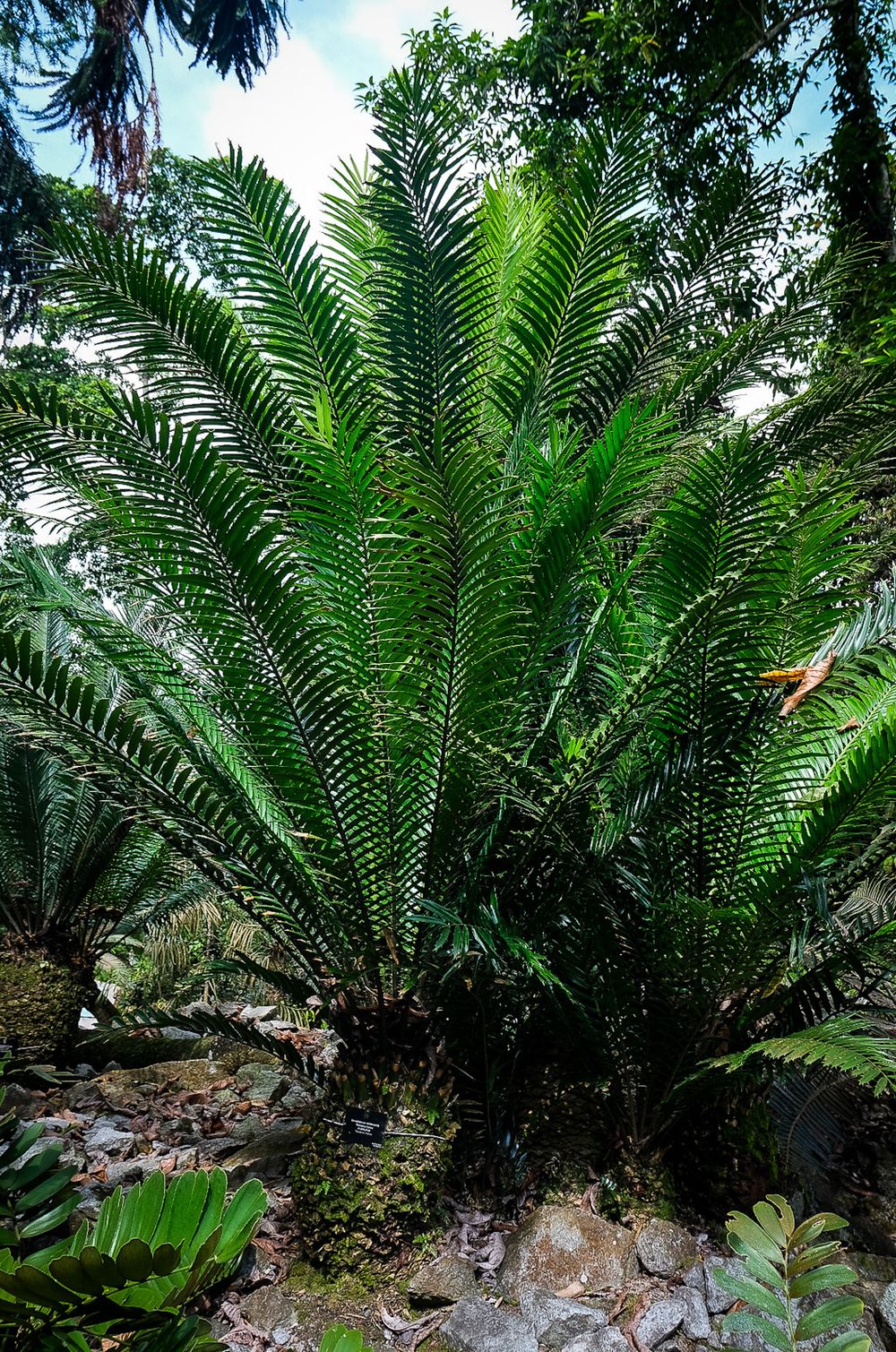
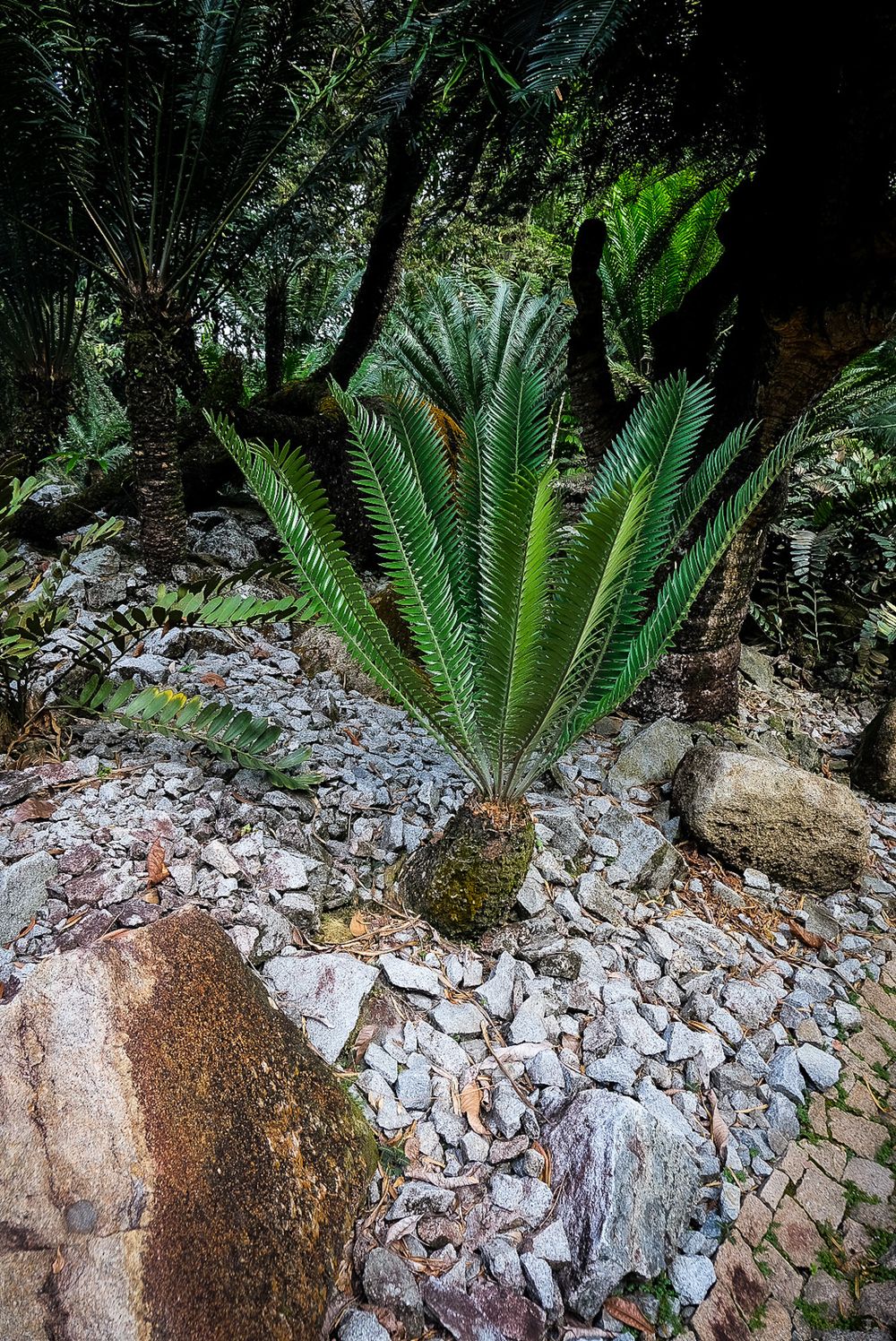
As you enter the Jurassic section, the cycads command attention. These gymnosperms, often mistaken for palms. flaunt rugged trunks crowned with feathery fronds. Species like the *Cycas revoluta• (Sago Palm) and *Encephalartos* varieties dot the landscape, their lineage tracing back 280 million years. The garden's careful curation highlights their role in Mesozoic ecosystems, where they were a staple for herbivorous giants. Today, they serve as a poignant reminder of resilience; many cycads are endangered, making the garden's conservation efforts vital.
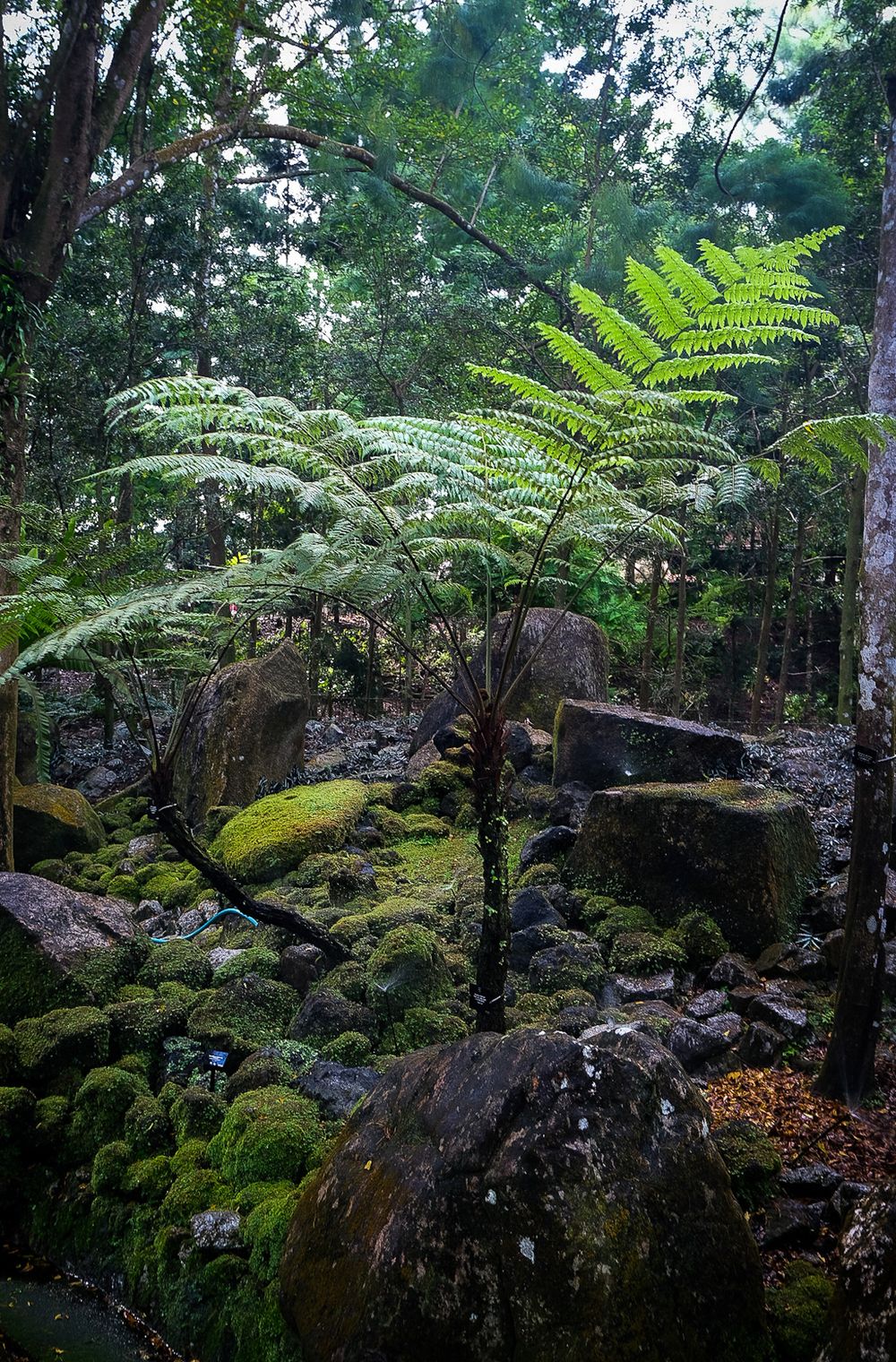
Tree Ferns: Giants of the Carboniferous. Further along, the atmosphere shifts. Mist drifts through a recreated Carboniferous swamp, where tree ferns (*Cyathea• and *Dicksonia* species) stretch skyward, their lacy canopies filtering sunlight. These ancient ferns, reproducing via spores rather than seeds, dominated Earth's first forests. The garden mimics their native habitats with humidity and shaded groves, allowing visitors to touch the fibrous trunks and envision a time when such plants fueled the planet's oxygen-rich atmosphere.
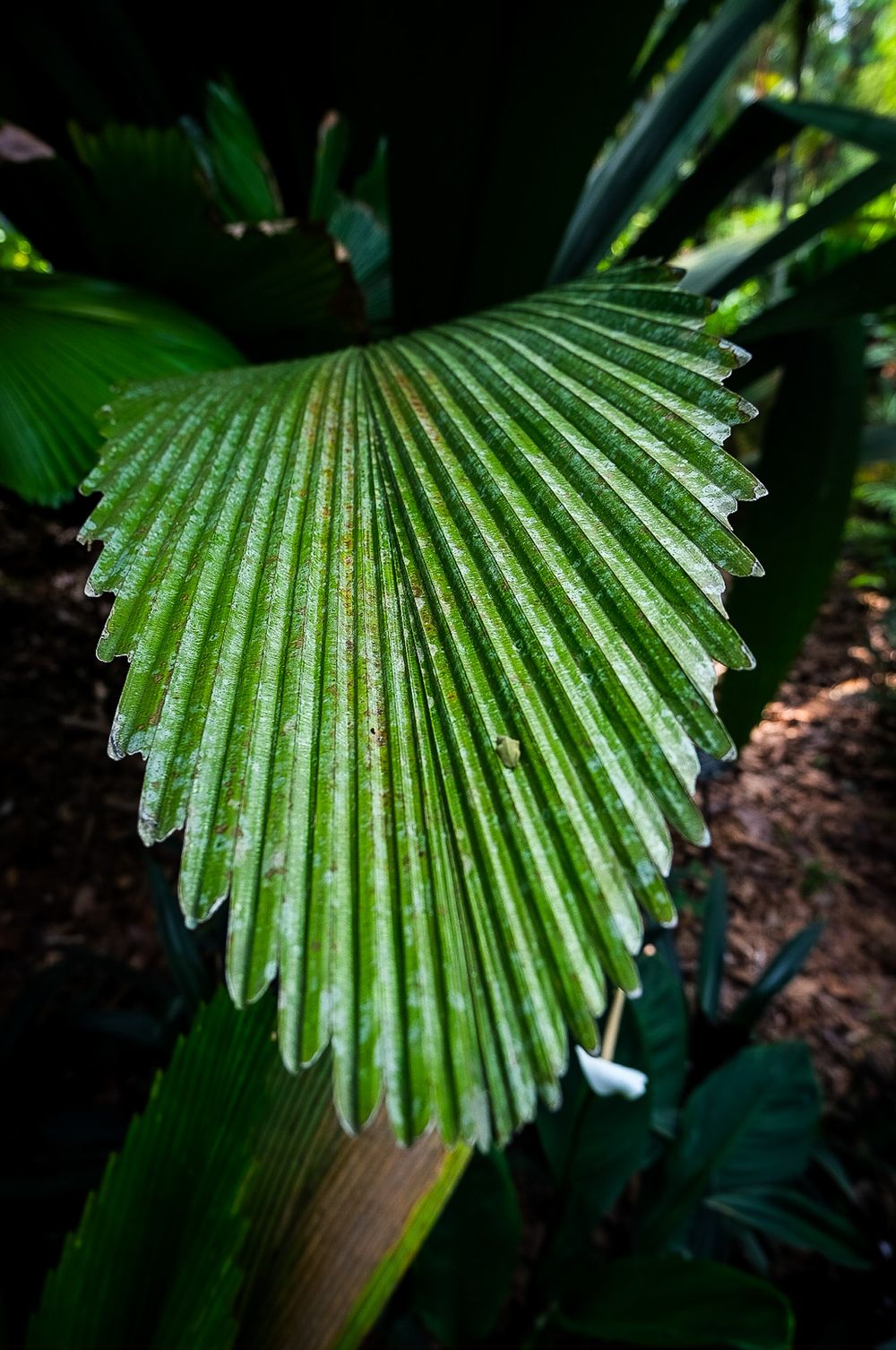
The Sensory Experience. The Evolution Garden engages all senses. Morning visits reveal dew-kissed fronds glinting in the sun, while the earthy scent of damp soil lingers in the air. Textures abound-from the rough scales of cycad trunks to the soft brush of fern leaves. Strategically placed benches offer moments to absorb the serenity, interrupted only by the rustle of wind or the call of a distant bird. Informative plaques and fossil displays punctuate the journey, transforming a stroll into a dialogue with deep time.
Conservation and Education. Beyond its beauty, the garden is a sanctuary for endangered species. Cycads, victims of habitat loss, find refuge here, part of global preservation efforts. Interactive exhibits detail their ecological roles and evolutionary quirks, fostering a connection between visitors and these ancient survivors. The garden's design subtly underscores a urgent message: understanding the past is key to safeguarding our botanical future.
A Living Classroom. As the path circles back to the present, the Evolution Garden leaves an indelible impression. It's not merely a collection of plants but a narrative of adaptation and survival. For families, botanists, or curious wanderers, this garden is a testament to life's tenacity-a place where every leaf tells a story, and every step is a voyage through millennia. In a rapidly changing world, the Evolution Garden stands as a bridge between epochs, urging us to cherish and protect the natural wonders that time has sculpted.
